
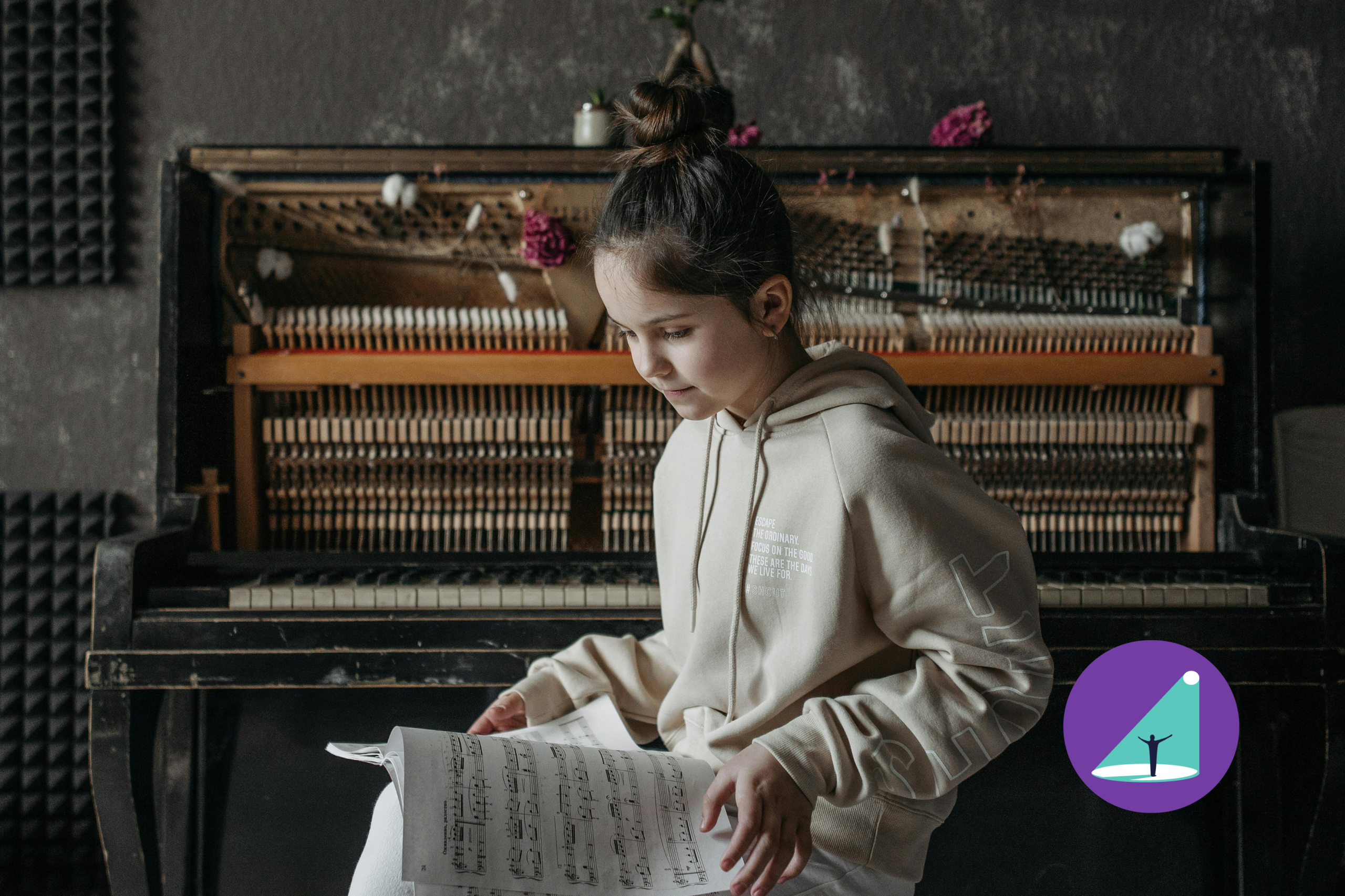
Introduction to the growing popularity of self-directed piano learning
The interest in self-taught piano playing has grown rapidly over the last years. From schoolchildren to adults, people of different ages more and more often take the road of solo learning, hoping to make their dream about music come true without dependency on a tutor or fixed schedule. Inspiration, flexibility in timing, and the ability to learn at one’s own pace are only some of the reasons for engaging in self-study.
Especially with the rise of modern digital tools, a digital tutor can now fit right into a smartphone. Apps like Talented make music education far more accessible by combining lessons, exercises, and interactive feedback into one platform—helping learners progress independently while still feeling guided and supported.
With practice independence and autonomous learning now mainstream, exploring good piano apps that support digital teaching and an interactive coach can accelerate confidence building.
Especially with the advent of modern digital technologies, when one smartphone replaces a whole arsenal of learning materials, more accessible learning becomes available. Indeed, the different resources—video lessons, sheet music, metronomes, and applications—offer ways for autonomous study to beginners. Yet, besides this, a number of challenges emerge which are far from always easy to overcome independently.
Main challenges of self-learning piano
Self-learning is not only a question of having materials. The major problems which beginners experience are the following:
- Lack of discipline and motivation: Without regular planning and some kind of external control, it is too easy to stray off course.
- Difficulties in establishing proper technique and posture: Wrong habits formed at the beginning are difficult to break later on in life.
- Lack of feedback: Without understanding mistakes, progress slows or stops.
- Problems in finding suitable repertoire: Pieces matching their skills and interests should be selected; otherwise, the process is not interesting.
- Complexities with music theory: Many terms and rules are difficult to understand for a beginner if studied independently without systemization.
The following table is provided to visualize the main challenges:
| Challenge | Why it matters | Consequences when ignored |
| Motivation and discipline | Regularity is the key to progress | Breaks in practice, loss of interest |
| Technique | Proper technique helps prevent injury | Formation of bad habits |
| Feedback | Allows timely correction of mistakes | Development stagnation |
| Repertoire selection | Maintains interest and suits skill level | Boredom and disappointment |
| Music theory | Basis of understanding and execution in performance | Issues in note reading and execution |
Understanding these challenges is a first step toward effective self-learning. In the next section, we will discuss which key skills and knowledge are necessary for overcoming them and how the new generation of music applications becomes an assistant on this challenging but fascinating path.
3. Key competencies and knowledge for effective self-learning
Learning to play the piano independently is possible, but this process has to be holistic regarding the development of several important skills. Improvement will be gradual if the attention is focused on the following points:
- Technical hand preparation. It is quite impossible to achieve clear sound and precision in performance without the development of correct hand positioning and finger coordination. The success of playing depends on regular exercises for flexibility and strength of fingers.
- Musical literacy: The ability to read and interpret notes without familiarity with musical notation, rhythm, dynamics, and other signs and symbols is going to be very hard.
- Ear development. Helping not only to perform music correctly but also to independently correct mistakes is the ability to distinguish pitch, intervals, and intonation.
- Sense of rhythm and tempo. It is difficult to hold the integrity of the musical piece without an accurate sense of rhythm. In this case, a very indispensable helper is the metronome.
- Self-discipline and planning. Without regular practice, consistency in training, or the ability to analyze one’s mistakes, no progress is possible.
Often, one of these aspects is neglected by beginners, which slows down the growth and causes frustration. Therefore, mastering the basics is important first; besides, creating a work schedule will include not only playing but also theoretical preparation. Leverage self-study modules, lesson progression, error detection, and feedback simulation to sustain guidance from a virtual tutor and interactive coach.
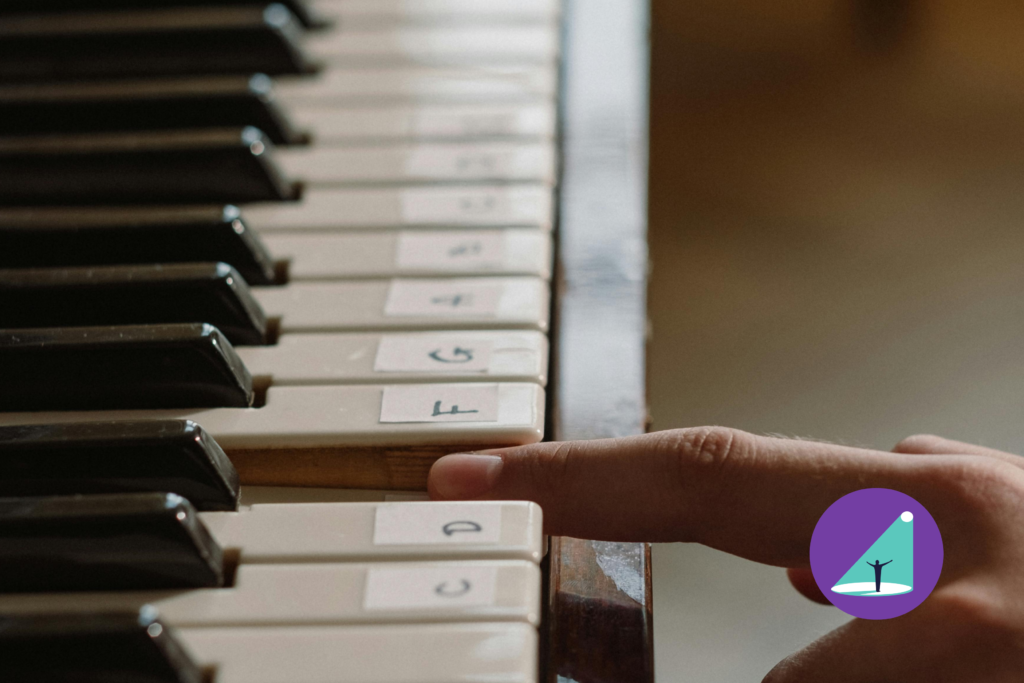
How Talented changes the approach to self-learning features and advantages
One could say that the emergence of the Talented platform has become a real breakthrough in the world of self-education for piano players. Among the great number of methods and apps, what makes Talented different?
- Learning interactively
Not just video watching or note reading, but you’re doing it through interactive, engaging lessons from Talented where the learning adapts to your level and perception style. - Constant feedback
The system analyzes your playing in real time and immediately shows you mistakes and gives you specific exercises to work those mistakes out. This will vastly speed up the learning process. - Rich library of materials
From classical performances to contemporary compositions, the range is wide for all tastes and skills. - Support for personal goals
The platform will help an individual lesson plan be created according to your objectives, whether mastering the basic techniques or preparing for a concert. - Convenience and accessibility
It is possible to learn anywhere and at any time, using only your smartphone or computer. - Motivational tools
The achievement system and virtual rewards serve to support the process of maintaining interest and discipline on one’s way.
Altogether, not only does a virtual teacher become Talented but also a comprehensive assistant that will let home lessons turn into a full, engaging, and effective process. Sometimes it is difficult to take up piano independently because of the lack of a mentor—the app then assumes the role of teacher, coach, and critic, which allows learning to be more structured and motivating. Here, adaptive content acts as a guidance engine providing practice support for solo sessions and practice independence.
Talented Individual Approach Personalized Programs and Feedback
There are no universal solutions in the world of piano learning. Unique is every student—and that’s what Talented understands perfectly.
- Provides you not with template lessons, but precisely with the format that will lead you most effectively to your musical goal.
How? — By individualization and constant feedback.
Striking first — personal learning programs. They are developed considering:
- Your initial level of skill: complete beginner just mastering the keys or a playing musician looking to perfect their techniques.
- Goals that you set: learning beautiful accompaniment, studying classical pieces, or mastering a modern style.
- The time you are ready to dedicate to lessons: the intensity and length of lessons adjusting to your life rhythm.
The second key component is quality feedback provided by the virtual tutor at Talented:
- Automatic performance analysis: It records inaccuracies in rhythm, dynamics, and articulation, showing exactly what needs attention.
- Recommendations for improvement: not general advice, but rather specific, personalized tips on how to correct mistakes step by step.
- Recording and reviewing your lessons: helps track the progress dynamics and stay motivated.
Most interestingly, the algorithm adapts the material difficulty. According to your performance, Talented independently adjusts the lesson plan to offer tasks that are both more challenging and for consolidating the learned material — avoiding frustration due to tasks being too hard and boredom due to tasks being too easy.
Such an approach to self-study would be regarded as comprehensive, structuring the journey through the world of music instead of letting it be chaotic. Talented acts not only as an assistant but also as a real partner: your personal mentor, who’s always present and ready to help. Thanks to that, each user feels confident and motivated for further improvement every day. This interactive feedback loop enhances confidence building through adaptive content and digital teaching.
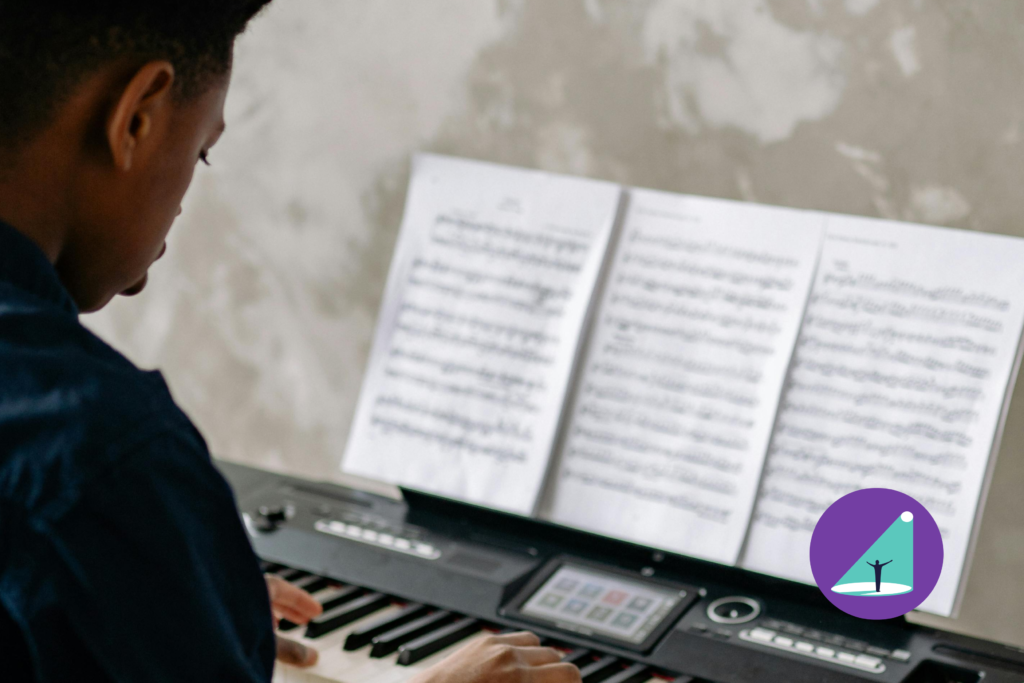
Practical Tips for Effective Practice with Talented
Starting to practice independently—to really master the instrument at a respectable level—is quite a challenging task when one wants to do more than just “play around”.
Follow the few, but important recommendations on how to get full performance from our developed app.
Rule number one — regularity.
You should practice every day or at least every other day.
Reminders within the app will keep practice in mind.
The features like progress tracking will serve as excellent motivation.
At least 20–30 minutes daily, we advise you set aside,
but coherence in doing so is what matters.
This method consolidates skills, forms musical memory.
It is by breaking down the material into small, clear blocks.
Structure
The program is designed to guide learning step by step:
from simple coordination exercises to complex composition mastering.
Attempts at bypassing stages in order to learn everything at once—avoid these, you must;
Every move should be confidently reinforced.
Use built-in lessons leading step by step to the goal,
Helping to avoid common mistakes that can easily be made by novices.
Third recommendation — feedback.
One powerful feature in this application is the ability to get instant responses on performance in real time.
Spend some time reflecting about your own mistakes,
and without any hesitation “move on” until confidence is felt.
Record yourself to compare progress over time.
Such self-analysis changes the approach to learning,
Making it even more functional and productive.
Fourth point — use personalized programs.
Match your level and preferences with our algorithm that does:
Customizing homework assignments and suggestions.
To make learning enjoyable and prevent burnout,
Don’t forget to mark your achievements in the app.
Built-in achievements can be very good stimulators to continue improving.
The fifth recommendation is Pair independent practice with listening to, and analyzing, professional performances.
This will enrich your musical horizon and develop your ear.
The app offers selections for this purpose, but don’t limit yourself to them—search for your favorite pieces and learn to feel the music.
Thus, following simple rules of regularity, measured pace, attention to feedback, personalization, and musical enrichment, you will manage to extract from the application the maximum possible and make self-learning piano really effective and inspiring. From our side, we continue to improve functionality so that every practice session is comfortable and productive for you. Leverage self-study modules for lesson progression and error detection; the virtual tutor, interactive coach, and Talented app provide practice support for autonomous learning.
Success Stories How Talented Helped Students Reach Their Goals
The best proof of any method’s effectiveness is the experience of real users, and Talented is not an exception. The following examples show how the platform is turning into a key tool on the path to musical heights:
- Olga, 29, Moscow: Without having a musical background, she started to learn, and after just 3 months of sessions with Talented, she felt significant progress. Helping her balance work and passion, personalized recommendations and a flexible schedule did.
- Alexey, 14, Novosibirsk: Before Talented, trying to learn by ear, he was, but rather quickly losing motivation because there wasn’t anything systematic about it. The correct hand positioning and rhythm sense developed, he did, thanks to interactive lessons and feedback from a virtual tutor.
- Marina, 42, Saint Petersburg: she had lessons postponed for a long time because of busyness, but with Talented, she could manage building an effective learning program independently and perform for the first time some complex Bach piece. And she is still proud about that.
United by their adaptability and timeliness in receiving support, are all these students. Talented transforms from remote learning into personalized immersion, is changing its format; every step is monitored and mistakes corrected on time. Such is the experience that inspires the beginners and makes them begin to believe in themselves.
Conclusion Is It Worth Starting to Learn Piano Independently with Talented
It means that motivation, the right tools, and a systematic approach are the keys to ultimate success with self-learning piano, which is important when considering it. Talented offers:
- Customized programs according to the level and aim of the student;
- Permanent feedback, change of plans;
- A friendly interface accessible from any device at any moment in time;
- Community and professional support to inspire and motivate you.
If what you want is to learn without a tight schedule, get clear guidance, and go step by step, Talented will become your guide. The self-study on this platform isn’t just trying to acquire some new skill but rather for professional excellence—always with help at hand. Therefore, starting to learn piano independently with Talented—not only possible but extremely effective it is. Moving forward fearlessly—the main point is, while tools and motivation are necessary to achieve your musical dreams, Talented provides. This path blends interactive feedback with practice independence and guidance from a digital tutor to power solo learning.





Leave a Reply